Salma's Poems

যে আমি বাংলাদেশ

আমি তোমাকে মন প্রাণ
আর বিশ্বাস দিয়েছিলাম
তুমি তাদের আহত করেছো
বিলাপ হয়েছে তার নাম।

যে শব্দ যে গোপনীয়তা
আমাদের ছিল
তাকে দিয়েছো খুলে
আমার সম্মান হানির
চাবির গোছা
প্রতিবেশীর অঞ্চলে
দিলে তুলে?

বুকের ভেতর যে ব্যথা
কোন ওষুধ তাকে
সারাতে পারে না
চোখের ভেতর যে জল
কোন রুমাল তাকে
সরাতে পারে না

ঠকে গেছি ভালোবেসে
কাছে এসে কাছে এসে
মরে গেছি ভালোবেসে
কাছে ঘেঁষে কাছে ঘেঁষে

কাবিনের কারুকাজে
বৌ সাজে আমি সেজে
যে ঘরে এসেছি
সে ঘরে এক শয়তান
সাদা মতো মুখখান
ডেকে এনেছি

তারপরের গল্প বেহুদা বলা
অন্যের ধনে যার চোখ
সাদাসিধে বেহুলা বোঝেনা
তার নিখুঁত ছলাকলা।

তোমাকে দিয়েছিলাম আমি
আমাকে আমার মানচিত্র
বলেছিলাম দূর্বল হইয়ো না প্রিয়
সাহসে সীমান্ত পাহারা দিও।‌

সীমান্ত দিয়েছো খুলে জলঢাকা
মানচিত্রের মুখ
প্রিয় তুমি অপরূপ বিশ্বাসঘাতক
তার বিচার চলুক…

উম্মে সালমা
২/২/২০২৫

Reflections

From Reading to Reality

Sometimes, I reflect on the words “colonialism” and “postcolonialism,” words I became familiar with quite an early age through postcolonial literature. When I was saturated with mainstream English literature after my youth with Bangla literature, this familiarity blew my mind. My heart was thrilled to see the pages of fiction and poems full of people like me and to find them conversing about issues that confront me in everyday life in society, culture, and politics. I felt like, “Wow, at last, this is me, this is us here, on the pages.” A sense of absence which pricked me always while immersing in Shakespeare, Jane Austen, Milton, Wordsworth, or Shelley proved to be fulfilled by Amitav Ghosh, Anita Desai, R K Narayan or Chinua Achebe. The complex family drama, the life in cultural domesticity, and everyday tension in relationships surrounded by overarching colonial and postcolonial politics warmed the cockles of my heart.

I learned to look beyond my life’s geography. I learned that the 200 years of British reign in Bengal had drastically changed its linguistic, social, cultural, economic, and political landscapes. The old Mughal system, which mostly kept the traditional agrarian Bengal life untouched, has been replaced by all-pervading British rules as well as modern and enlightened world concepts. These concepts made the Bengalis conscious of their rights over their land. The outcome of this consciousness was their struggles, fights, and resistance against British power, and eventually, they won independence with the departure of the British from the Indian subcontinent.

Although this is a very simple summary of my very complicated learning process in the field of colonialism and postcolonialism, this is the gist, a bird’s eye view, which I learned and internalised. This internalisation is also accompanied by a rhetoric of dreams of a better life in the independent land, a dream that our forefathers nourished throughout their lifetimes. My forefathers particularly roamed the Indian subcontinent for their jobs, but eventually, they returned home to their agrarian village to live a happy, peaceful life. To them, their calm and quiet village was their ultimate hub. They did not expect much from life but a pretty modest life and a peaceful death in an independent country after having a life of hard work and good earnings.

However, these dreams and expectations, laced with colonialism and independence, seem to me very expensive in 21st-century Bangladesh. This is unreachable for the contemporary Bangladeshi people. The door of the dream the postcolonial world opened in front of our forefathers was closed so long ago, not by the so-called foreign rulers, but by the local elitist, power mongered, and greedy rulers.

The more I look at the history and culture of the current ousted fascist government’s money laundering, the more my so-called questioning of the British colonisers gets softened. “Hey, look at yourself before looking at the others. Hey, turn a mirror to yourself before posting a mirror to the foreigners.” At the same time, the current instability after the July movement, the rhetoric of mercy and softness, the character assassination of the leading figures, and efforts to rehabilitate the fascist supporters prompt me to question: “Do Bangladeshi common people not have rights to dream of a peaceful modest life at their homeland?” “Do Bangladeshi common people not have rights to die a peaceful death on their forefathers’ land?”

All these remind me of the old Bengali proverb, “If you spit over your head, it will fall on you.” So, when I spit, I get spitted. When I get spitted, I remember all unjust actions align with unjust actions irrespective of time, place, and people. And this remembrance is the burden I carry through my colonial, postcolonial, and neo-colonial learning journeys.

Umme Salma
15/11/2024
Salma's Poems

সন্তের মতো প্রার্থনা.

যে কথাটা বুকের মাঝে গুমরে মরে
যে কথাটি বলতে গিয়ে বলি না আর 
তারি চাপে রাত দিনটা আছড়ে পড়ে। 

প্রভু আমার
আমায় তুমি শান্ত কর
শীতল কর আগুন জ্বলা মন বাগিচা
প্রভু আমার
আমায় তুমি মুক্ত কর
সরিয়ে দাও কষ্ট ব্যাথার বিশ্রী বিছা ।

এই শহরে আমার ভীষণ একলা লাগে
ছুটছে সবাই ঘুরছে ফিরছে কেমন যেন
কথায় কথায় দূরত্ব আর ভাঙন জাগে। 

প্রভু আমার
আমার মনটা বাগান কর
সুগন্ধিটা একটু হলেও ছড়ায় যেন
প্রভু আমার
আমার হাতটা লতা কর 
ভালোবাসায় একটু হলেও জড়ায় যেন

যে যার মতো এই শহরে আমরা সবাই 
যখন চাই এক সাথে রই একসাথে হই
তবুও যেন কেমন ফারাক, কি যেন নাই

সেই নাই এর খোঁজে চলতে থাকা 
এই যে আমি

প্রভু আমার
সেই আমিকে মানুষ কর
নিজস্ব কে উতরে যাওয়া মিষ্টি মানুষ
প্রভু আমার 
সেই আমি কে বিশাল কর
সরিয়ে দিয়ে ভেতর ফাঁপা সব জৌলুস।

আমায় তুমি 
শান্ত কর শান্ত কর শান্ত কর
আমার সময় 
শান্তি কর শান্তি কর শান্তি কর।

ব্রিজবেন
২২/০৮/২০২২
Salma's Poems

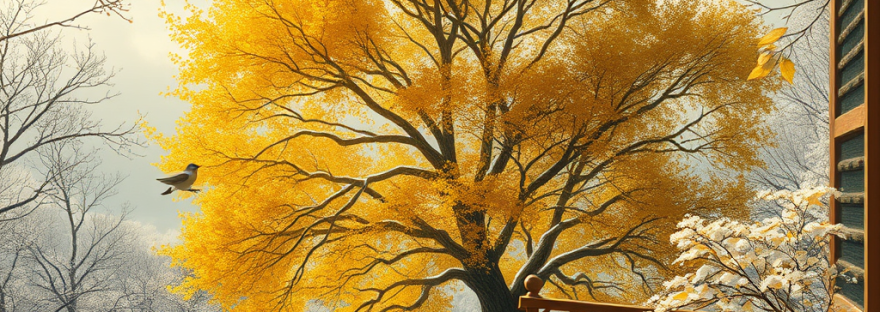
প্রকৃতি এবং ইচ্ছে

জানালার পাশে বসে প্রায় প্রতিদিন
কি যে দেখি ভাবি শুধু
এত অমলিন
কেন ঐ গাছটি: যে হলুদিয়া হয় 
শীতকাল এসে গেলে
দুটি পাখি হেসে গেলে 
এমন প্রনয়? 

বারান্দায় বসে থাকি কখনো সখনো
কি যে দেখি ভাবি শুধু
মিষ্টি মাখানো
কেন ঐ গাছগুলো? পাতাময় হয়
শীতকাল এসে গেলে 
সব পাতা ঝেড়ে ফেলে 
জারুলে জড়ায়?

ওরকম গাছ যদি 
আমি হয়ে উঠি
পারবো কি নিতে, আহ, 
এই প্রস্তুতি? 
জীবনের শীত হবে কাজের সময়
যা যাবার চলে যাবে
যা না হবার না হবে
আমি রব হাসি খুশি 
দুচোখের কোলে নেই সুখ অপচয়? 

আমি জানি, জানি
জীবনের শীত মানুষ সইতে পারে না
কষ্টের হিম-পাথর বইতে পারে না
বসন্ত প্রিয় তার রোদেলা বিকেল

তবু আমি চাই 

দুখের গভীর হিমে জীবনের শীতে
বিপরীত পথে হেঁটে বহুদূর যেতে
হয়ে উঠি সেই গাছ, সেই সব ফুল
যারা ছাড়ে হিম দিনে মুক্তি মুকুল।

৫/০৯/২০২২
Salma's Poems

My poems published in জলঘড়ি ১৯৯৮

খোয়াতে ভেজা ব্যথাতুর খোয়াব

টুপটাপ সারারাত কেটে গেছে চোখ মুছে
ঊহ! পাপড়ির তলে বিচ্ছেদের কঠিন খোয়াব। 

রোদ পোহাতে পোহাতে ধানকাটা বিচালী ছিঁড়েছি কত
খালের কোমল কাদায় পা দাবিয়ে পায়ের মজা
মাছরাঙার কমলা বুকে ভালোবাসার বিখারা
খোলাঝাক পিঠেতে রাব মিশিয়ে খাওয়া 

চলে যাবোঃ 
ফেলে এক নির্মিত কালভারট
এপারে আমি এক নাগুরে হাসি
ওপারে চরের ধুলোয় ধুসরিত হৃদয়। 
চলে যেতে হবে বিস্তৃতির করতল ছুয়ে--
সিঁড়ি ভাঙ্গা, বই, নোট, রিকশার হাওয়া,
নেক্রপোলিশ দালানের সুর। 

ফিচেল সময় একদিন ফিনফিনে স্মৃতির শাড়ী
পরাবে গ্রাম্য ঢঙ্গে আমাকে, 
আমি হবো এক ব্যথাতুর খোয়াব
সুখ-দুখের ফিরিস্তি। 

Written and published in 1998.
Salma's Poems

The Blessings of Sharing

I don’t know
How to row
The boat of pain
In heavy rain
That floods the river
Makes trees shiver
Putting them in agony, in an anxious fever.

I really don’t know, my mate,
How to row
The vessel of memory
Against the flow
Of the water that leaps the bank,
drifts the port and breaks the plank.

Pains and Memories
Memories and Pains
Every moment they drain and drain
The happiness, the energy
The smile, the bliss
Suck my heart with a Dracula kiss.

One day, then, I dreamt a dream
When the night was about to trim
The day’s hair, the day’s fringe
My days pass by like a movie cringe

I took a sharp knife from the kitchen’s paw
Cut my memory with its ruthless claw
I also cut the green chilli, onion, garlic
Marinated my memory with a ginger stick
Threw the yellow oil in the brain’s pan
A hard-boiled simmering then began.

I invited the pen and the friends on the weekend
Served my pain and memory roasted, red,
They tasted my memory, my labour, and the food
Held with bursting eyes, “It’s so good!”

I learned then, then I know
How…why…when to row
The ship of pain
The memory titan
Heavy and huge
In the social ocean, in the collective deluge.

19th January 2022, Toowong.
https://um-mes-alma.com/2022/11/29/me-and-my-memory/  
Reflections

The Candy House by Jennifer Eagan: a Reflection from Emotions perspective

I have read The Candy House (2022) fairly recently for teaching Contemporary Literature course. This is a networked novel, presenting interlocking characters and their life stories through an advanced technology, named Own Your Unconscious. Based on the character Miranda Kline’s book Patterns of Affinity, Bix Bouton invented a cloud technology where everyone can upload their unconscious, watch their memories as films and share them in the general digital platform The Collective Consciousness. A group of people falls for this tech at once and use and promote them. Another group known as Eluders try to dodge the platform and the way this digitisation of human mind and memory destroys emotions, relationship and imagination.

This plotline jerks and fascinates me concurrently. I was just wondering whether the current Facebook or Instagram are like this digital tech. Don’t we upload our life, our unconscious and our memories to these aerial platforms and sharing them across the known and the unknown? From such feelings, I asked my students whether they like to upload their unconscious to such platform. Many said yes, many said no, many said, they will share them in cloud but not in the Collective. The swing between preservation of memory and protection of privacy becomes apparent in their choices.

I love the book for its placing us in front of such deeply existential and philosophical question and dilemma. I got stuck in some quotations that lift the fictional fabric towards a deep vision of life and living such as “knowing everything is too much like knowing nothing; without a story, it’s all just information” (333) or “Consciousness is like the cosmos multiplied by the number of people alive in the world (assuming that consciousness dies when we do, and it may not) because each of our minds is a cosmos of its own: unknowable, even to ourselves” (86). Or “To a human, a goose’s wish to return to its Canadian home may seem sentimental, but “wish” and “home” don’t mean to a goose what they mean to a human” (46).

These pronouncements challenge the digital shaping of knowledge, mind and emotions in the current world. I feel like I know a lot through scrolling people’s walls every day but I don’t know anything about their lives. I have a lot of information but not stories that speak of real people, real mind. I got shocked and emotionally guilty when a well established classmate with a shiny face in Facebook committed suicide. His friends knew him without knowing him at all. What’s the value of such knowing that cannot let people know that human mind is unfathomable like a cosmos? If such is the case how will people come home, a home as a space of love, understanding and protection? Do we have only walls now, not homes?

Egan brought me a bit more closure to these hard truths and awake me to care and search for emotional authenticity in a digitally stimulated world. I feel like the character Rebecca, “I’m the only person in the world as obsessed with authenticity as you are” (29).
A great read for those in my line of thought.😊.

3 October 2022, Brissy.